Enigma · Volume 12
Enigma — Volume 12 — Ultra: Using the Secret
Knowing the enemy's plans, and the harder art of not letting him know you knew
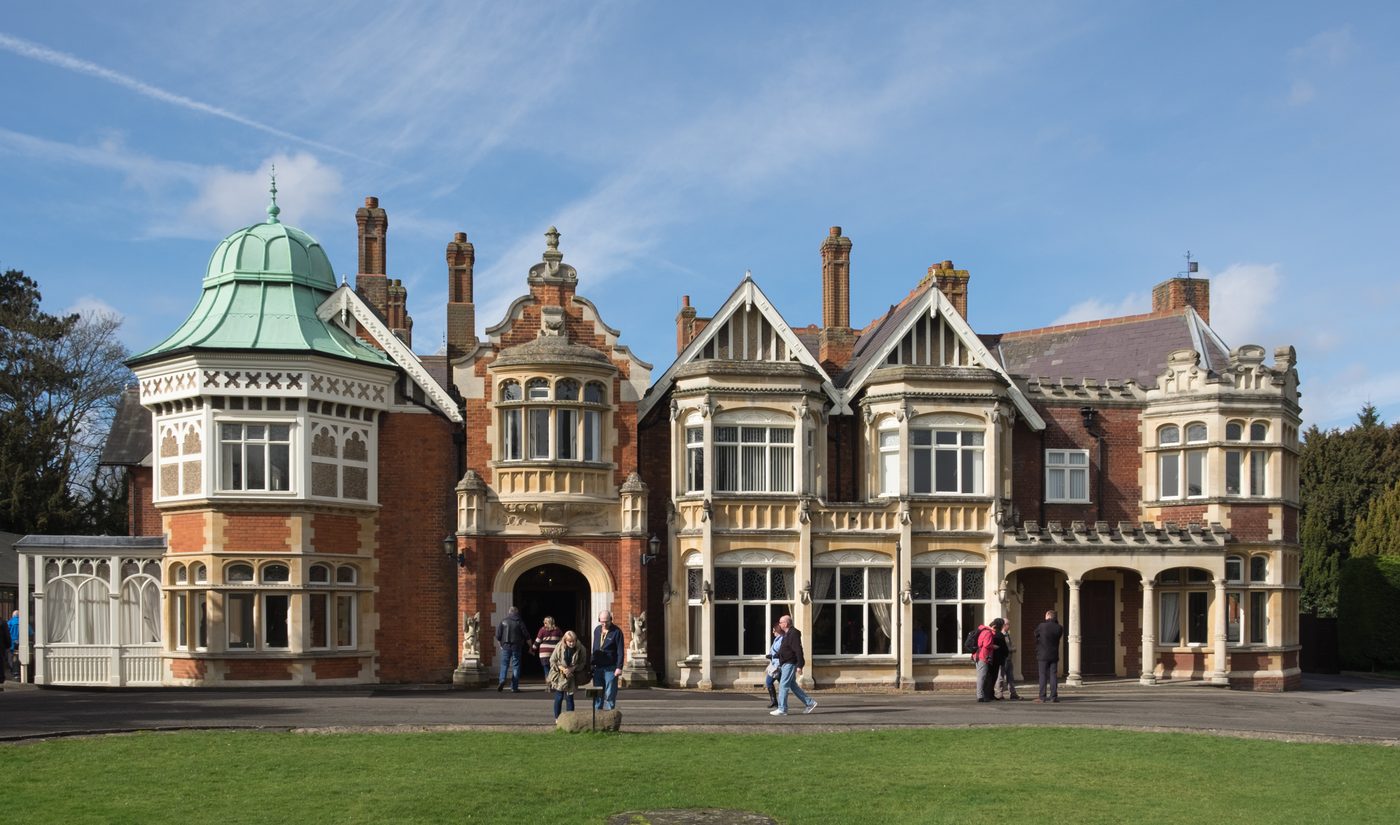
12.1 About This Volume
Breaking the Enigma was only half the problem. The other half — the half that consumed as much discipline, cunning and nerve as the cryptanalysis itself — was using the intelligence without betraying that you had it. A code broken in secret is worth nothing if the act of exploiting it tells the enemy his cipher is compromised; he will simply change it, and the months of mathematics that opened the lock will be wasted overnight. This volume is about that second war: the codename ULTRA, the rigid machinery built to carry it safely to the field, the cardinal rule that governed every decision to act on it, and the campaigns it shaped from the Mediterranean to Normandy. It is also about two enduring myths — that Churchill let Coventry burn to protect the secret, and that Ultra was a magic wand that won the war by itself — and about the thirty-year silence that followed, broken at last in 1974. The tone throughout is sober: Ultra was extraordinary, but it informed the fighting rather than replacing it.
12.2 The Name and the Classification
The intelligence drawn from broken high-grade enemy ciphers needed a label that told its handlers, instantly, that this was material of a wholly different order. The British already had a graded hierarchy of secrecy — Confidential, Secret, Most Secret. Enigma decrypts were placed above the top of that ladder, in a category styled “Ultra Secret,” and from that classification the product itself took its working name: ULTRA. The word came to mean any high-grade signals intelligence derived from reading the enemy’s machine ciphers, and it was deliberately uninformative. A reader cleared for Ultra knew what it implied; everyone else was meant to know nothing at all.
There had been an earlier cover name. In the first phase, Enigma material was disguised as the product of a fictitious master spy code-named “Boniface,” complete with an imaginary network of agents inside Germany. The fiction served a purpose: if a decrypt had to be explained to someone not in the secret, it could be attributed to human espionage rather than to cryptanalysis. As the volume of material grew and the circle of the indoctrinated stabilised, “Ultra” became the standard term, but the underlying instinct — always have an innocent explanation ready — never left.
12.3 The Special Liaison Units
Knowledge was useless trapped at Bletchley Park. It had to reach the admirals and generals who could act on it, and it had to arrive without leaking on the way. The man charged with solving this distribution problem was Group Captain Frederick William Winterbotham of the Secret Intelligence Service, and his solution was the Special Liaison Unit, or SLU.
An SLU was a small, self-contained cell attached to a major field headquarters. Its officers — handpicked, indoctrinated into the secret, and answerable not to the local commander but back up the Ultra chain — received the decrypts by their own secure radio links, carried them personally to the one or two senior officers cleared to see them, stood by while they were read, and then took them back and destroyed them. The rules were iron. Ultra could be shown only to the named recipients. It was never to be repeated, paraphrased loosely, or referred to on any insecure channel. Once read and acted upon, the physical message was burned. A commander could not file an Ultra signal away, quote it in an order, or let it travel further down his chain than the secret permitted. The SLU officer was, in effect, the conscience of the system standing at the general’s elbow, and his authority to enforce the rules outranked the general’s convenience.
This architecture meant that the men fighting the battles often did not know why their orders were so uncannily well-judged. A wing commander told to patrol a particular stretch of sea at a particular hour was not told that a decrypt had placed a convoy there. The secret was compartmented so tightly that its possession could not accidentally betray its existence.
12.4 The Cardinal Rule
Everything else flowed from a single governing principle: never act on Ultra in a way that could reveal the source, unless the action could be plausibly explained by some other, innocent means. A spectacular success bought at the price of the secret was no success at all. If the Germans came to suspect that their convoys were being found too often, too precisely, to be the work of chance reconnaissance, they would investigate, harden or replace their cipher, and the window would close.
The classic device was to provide the cover before taking the action. When Ultra revealed the position of an Axis convoy in the Mediterranean, the convoy was not simply attacked. First an aircraft — or a submarine — was sent to be seen: to overfly the convoy openly, so that the German and Italian crews would report being spotted by reconnaissance. Only then was the strike launched. The enemy, reviewing the loss, had a ready and false explanation: a chance sighting by a patrolling plane. The cipher was never suspected, because the visible cause was sufficient.
The deception was elaborated with real ingenuity. Along with the search aircraft that “found” a convoy, two or three decoy patrols would be flown over empty stretches of sea, so that aircrews — who were themselves not cleared for Ultra — would not notice that one particular aircraft seemed to locate the enemy on every sortie. The Axis side drew exactly the conclusions the British wanted: they came to believe that Malta hosted a great fleet of reconnaissance aircraft, and that some four hundred Allied submarines prowled the Mediterranean. In reality the British at times had as few as three serviceable aircraft and around twenty-five submarines. The phantom armada existed only because the cover stories were good enough to require one.
Occasionally the cover was woven from pure fiction. After a convoy was destroyed on Ultra information, congratulatory signals were sometimes sent to non-existent agents — messages crafted in the knowledge that the Germans would intercept and decrypt them, and would conclude that a human spy ring, not a broken cipher, lay behind their losses. The British were, in effect, feeding the enemy a comforting wrong answer through his own eavesdropping.
12.5 North Africa: Starving Rommel
Nowhere did the cover-story discipline pay larger dividends than in the Mediterranean, where the fate of Erwin Rommel’s Afrika Korps was decided less by tank battles than by fuel that never arrived. Rommel’s army lived at the end of a long sea umbilical from Italy, and that umbilical ran across water the British could read. Ultra exposed the sailing schedules, routes and cargoes of the convoys carrying his petrol, ammunition and reinforcements; with a spotter aircraft sent ahead to supply the alibi, those convoys were hunted and sunk with a regularity that left Rommel chronically starved.
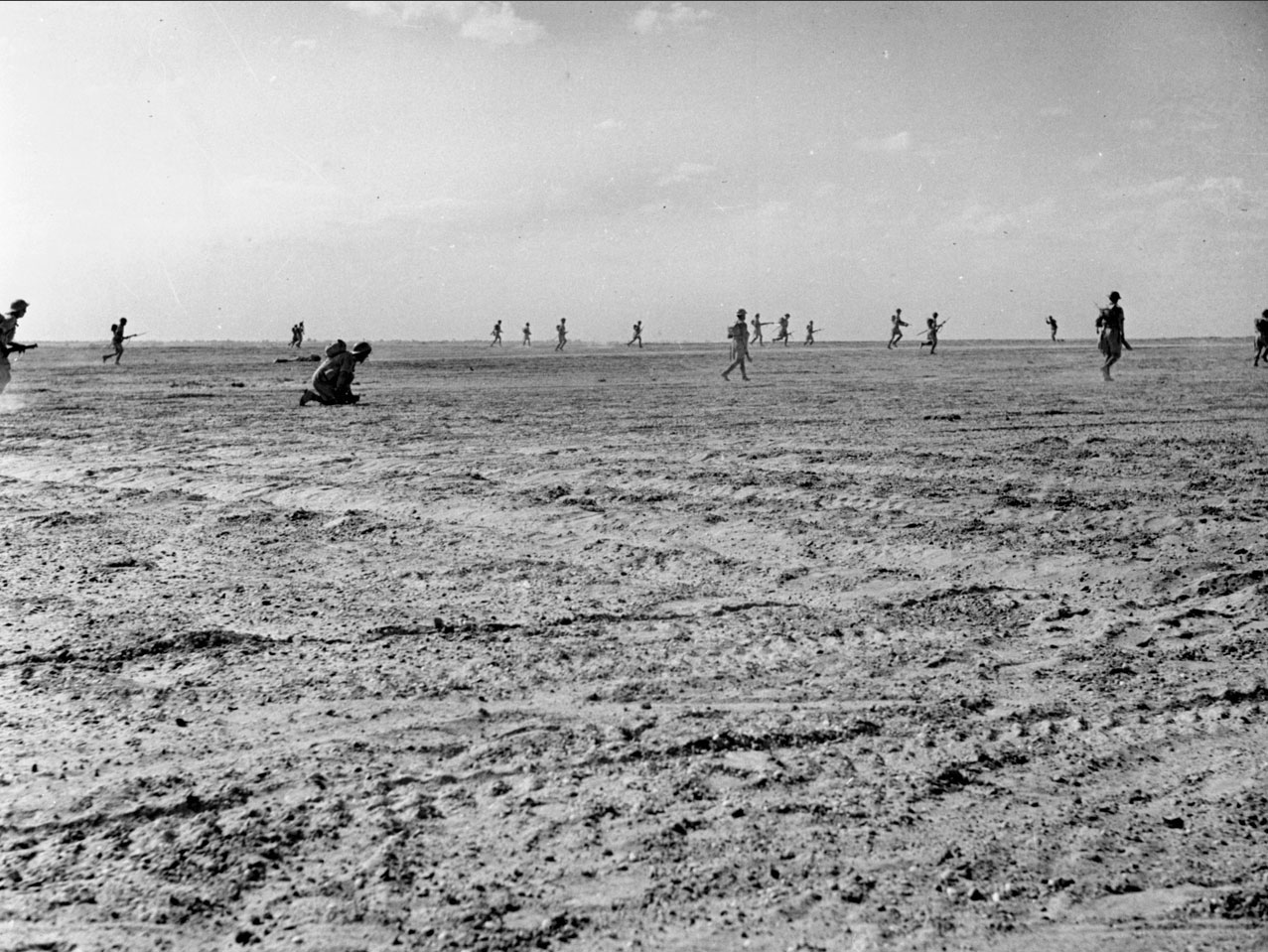
The effect on the land campaign was direct. At Alam Halfa in late August 1942, Ultra gave warning of Rommel’s planned attack, allowing the newly arrived Bernard Montgomery to prepare a defensive battle on ground of his own choosing and blunt the offensive. At the Second Battle of El Alamein that October and November, Ultra handed Montgomery something even rarer: before the battle, a near-complete picture of the Axis order of battle, and during it, Rommel’s own action reports back to Germany — a commander reading his opponent’s despairing situation messages as they were sent. None of this fought the battle for him; the infantry in Figure 2 still had to cross the minefields under fire. But Ultra removed the fog in which Rommel had previously sprung his surprises, and it ensured that his tanks were running on the dregs of fuel that the Mediterranean convoys had failed to deliver.
12.6 The Mediterranean: Cape Matapan
The single most dramatic naval vindication of Ultra came not from the German Enigma but from the Italian naval machine — and it rested on a break achieved by a very young cryptanalyst at Bletchley. In Dilly Knox’s section, Mavis Lever (later Mavis Batey), then in her late teens, worked on the Italian naval Enigma. A decisive crib was a message that resolved, in part, to the word SUPERMARINA — the Italian naval high command — and a signal timed as “the day minus three” before an operation. Working through several days and nights, Lever and her colleagues read the Italians’ intentions: a sortie by the Regia Marina to attack British convoys running supplies toward Greece.
Forewarned by this Ultra, Admiral Sir Andrew Cunningham took the Mediterranean Fleet to sea. He did so under careful cover — at one point going ashore in daylight, golf clubs in hand, so that the watching Japanese consul would report the British fleet idle in harbour — and then slipped out under cover of darkness. In the action off Cape Matapan, 27–29 March 1941, Cunningham’s ships fell upon the Italian fleet and sank three heavy cruisers and two destroyers, inflicting the Regia Marina’s worst defeat at sea and ending, for a long while, any serious Italian inclination to challenge the British in the eastern Mediterranean. A few weeks later Cunningham came in person to thank the codebreakers; Mavis Batey remembered that “our sense of elation knew no bounds.” It was a textbook demonstration of the whole system: a cipher broken by a teenager, an admiral who built his own cover for putting to sea, and a victory that the enemy could attribute to misfortune rather than to a compromised machine.
12.7 D-Day: Confirming the Deception
By 1944 Ultra had matured into something subtler than a finder of targets. For the Normandy invasion its greatest service was not to locate the enemy but to audit a lie. The Allied deception plan, Operation Fortitude, was built to convince the German command that the main blow would fall at the Pas-de-Calais, and that any landing in Normandy was a feint to be ignored until the “real” invasion came. Fortitude conjured a phantom army group in southeast England, complete with dummy tanks, false radio traffic and a fictitious commander. But a deception is only as good as the enemy’s belief in it — and how could the Allies know the Germans believed it?
Ultra was the answer. By reading German command and intelligence appreciations, the planners could watch the deception take hold from the inside: they could see that the German high command continued to expect the principal landing at the Pas-de-Calais, that it held powerful forces — notably the Fifteenth Army — back from Normandy in anticipation of a second assault that would never come. Ultra did not invent the Normandy plan; it confirmed, day by day, that the enemy was looking the wrong way. That confirmation was worth divisions, because it told the Allies their gamble was safe even after the troops were ashore.
12.8 The Coventry Myth
No story about Ultra is repeated more often, or is more thoroughly false, than the claim that Winston Churchill knowingly let the city of Coventry be destroyed on the night of 14 November 1940 to protect the secret. The legend holds that Ultra had revealed Coventry as the target, that warning the city or mounting an exceptional defence would have tipped the Germans that their cipher was broken, and that Churchill therefore made the terrible calculated choice to do nothing. It is a powerful story. It is not what happened.
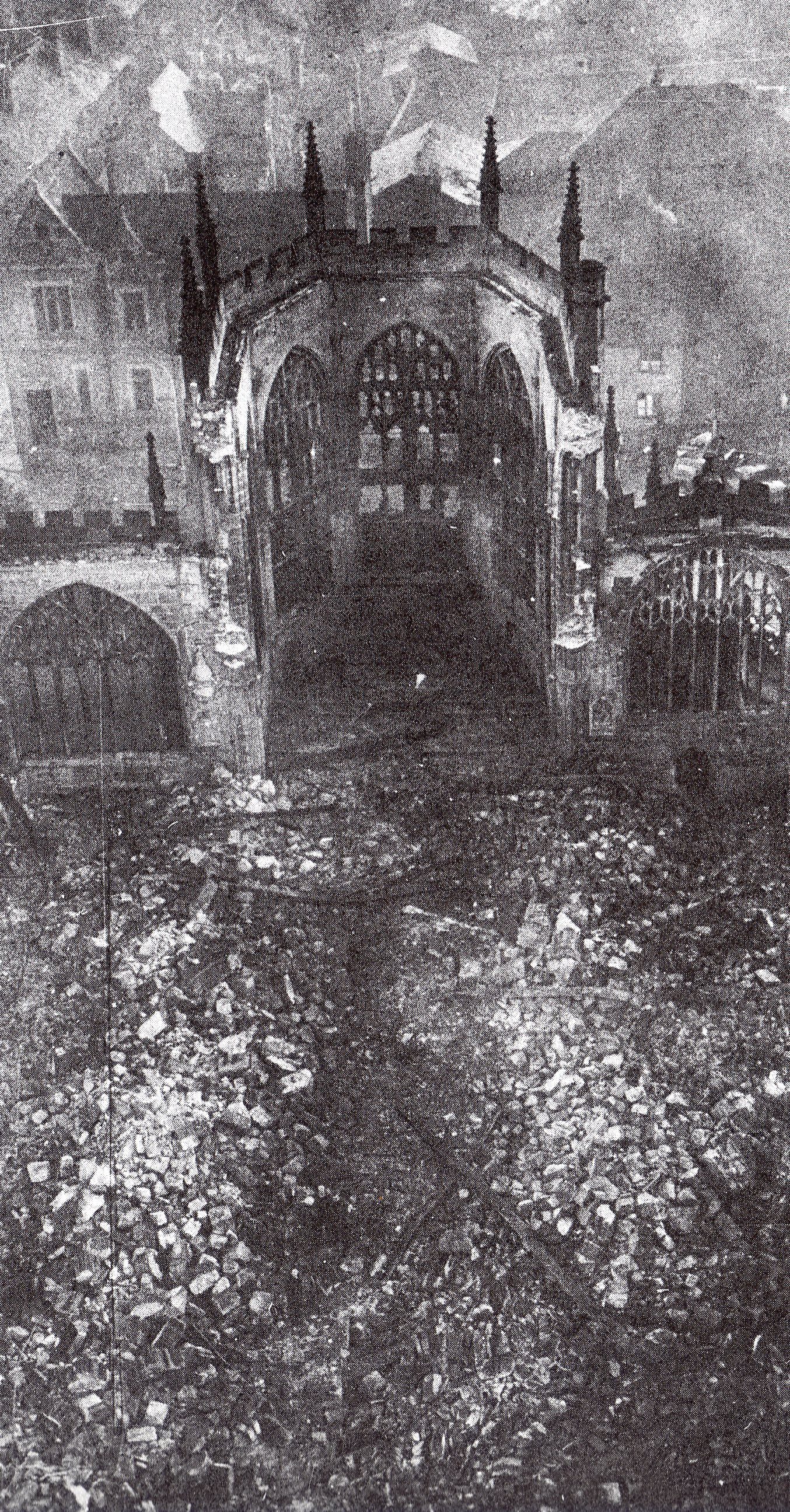
The myth originates, ironically, with Winterbotham’s own 1974 book. Later research and the testimony of other insiders dismantled it. British intelligence in the days before 14 November did indeed learn that a major raid was coming — codenamed by the Germans Mondscheinsonate, “Moonlight Sonata” — against an English target. But the target itself was not identified as Coventry in time to act on it. The indications pointed, if anywhere, southward; Churchill himself believed the blow was likely aimed at London. Peter Calvocoressi, who headed the Air Section at Bletchley, stated flatly that “Ultra never mentioned Coventry,” and that Churchill, far from agonising over whether to save the city, was under the impression that London was the target. The contemporary record bears this out: on the afternoon of the 14th Churchill set off for Ditchley, his moonlit-night retreat, having first turned back toward London in expectation that the capital would be hit. A man who knew Coventry was doomed would not have spent the evening preparing for a raid on London.
The honest summary is this: the British knew a heavy raid was imminent; they did not know it would fall on Coventry; and no choice was ever made to sacrifice the city for the secret. The myth survives because it is dramatic and because it flatters a certain image of cold wartime calculation — but no evidence has ever been produced to support it, and a good deal of evidence contradicts it.
12.9 The Thirty-Year Silence
Perhaps the most remarkable thing about Ultra is not that it was kept secret during the war, but that it stayed secret for nearly thirty years after it. Some ten thousand people had passed through Bletchley Park and its outstations; thousands more in the field had handled the product. Yet for three decades the great majority said nothing — not to historians, not to memoirists, often not to spouses. Wartime histories of the campaigns were written, and rewritten, with a hole at their centre that their authors were forbidden to fill, attributing to luck or brilliant guesswork victories that had in truth been read in advance from the enemy’s own signals.
The silence held for several reasons. The men and women of Bletchley had signed the Official Secrets Act and took it with deadly seriousness; the habit of discretion, drilled in for years, did not switch off in 1945. There was also a hard strategic motive, and it is the sly coda to the whole tale. After the war, captured Enigma machines and their like were not destroyed but quietly distributed — sold or passed on to other governments for their own diplomatic and military communications. Those governments adopted the machine in good faith, never suspecting that Britain and the United States had long since learned to read it. So long as the world believed Enigma secure, the Allies could continue to read the traffic of any state foolish enough to trust it. The wartime secret had become a peacetime asset, and that alone was reason to keep the lid on.
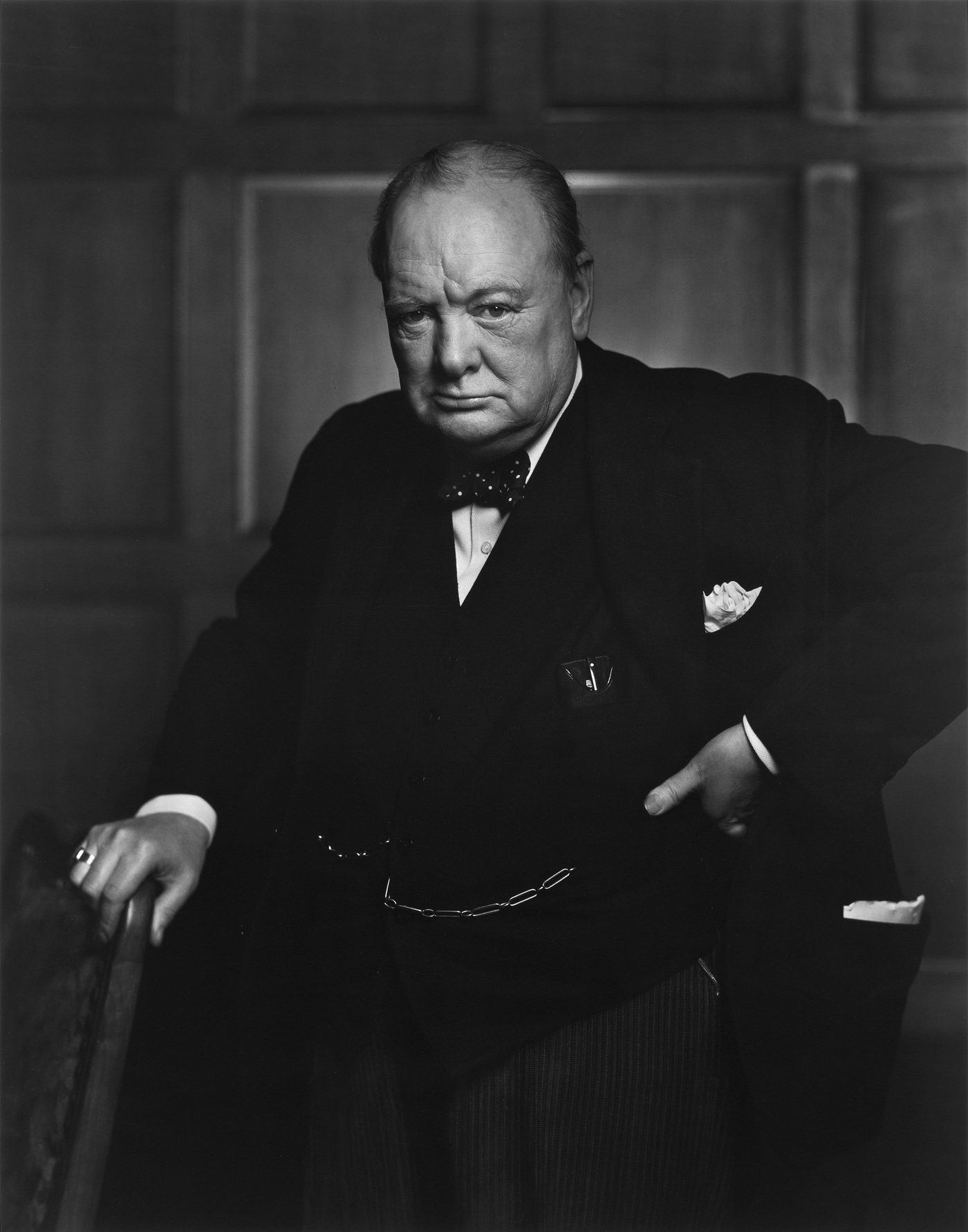
The lid came off in 1974, when F. W. Winterbotham — by then elderly, and judging that enough time had passed — published The Ultra Secret, the first popular account of the operation. It was a sensation, the first public revelation that the Germans’ Enigma traffic had been read throughout the war, and it sent historians back to rewrite the conflict they thought they had understood. Winterbotham’s book was not flawless — the Coventry legend is partly his doing, and he wrote from memory without access to the still-classified files — but it broke the dam. Churchill had once called the Bletchley staff “the geese that laid the golden eggs and never cackled.” For thirty years they hadn’t.
12.10 The Machine That Kept Its Own Secret
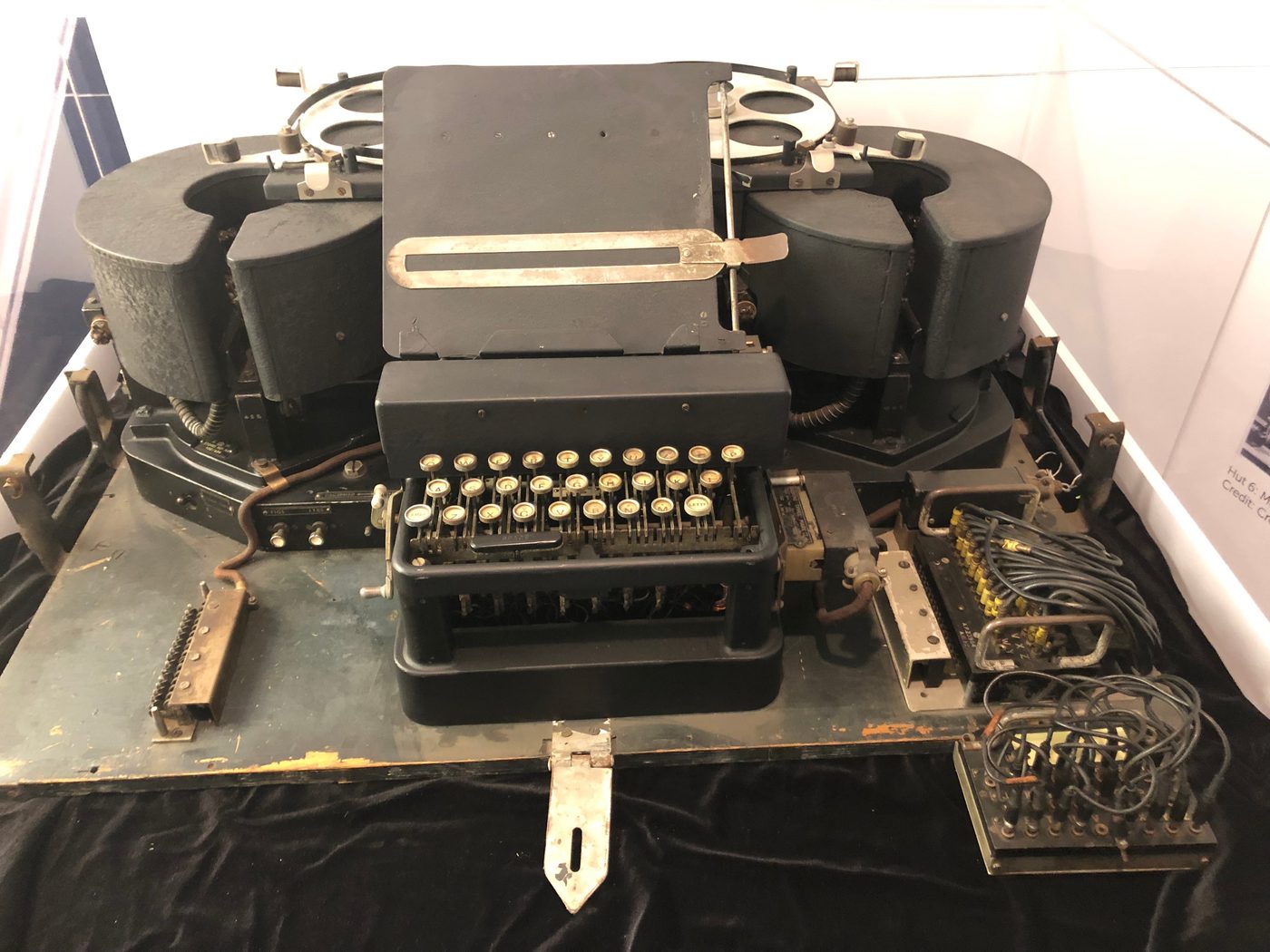
There is a quiet irony: while Britain read Enigma, its own equivalent machine — the Typex — was never broken by the Germans. Typex was a British rotor cipher machine in the Enigma family, but improved in ways that closed the very weaknesses Bletchley exploited in its German cousin. That asymmetry is part of the Ultra story too: the Allies guarded their own high-grade traffic with discipline while harvesting the enemy’s, and the security of Typex meant the Germans never enjoyed an Ultra of their own against Britain’s strategic communications.
12.11 How Much Did It Matter?
It is tempting, having told these stories, to declare Ultra the thing that won the war. The sober assessment is more careful, and more interesting.
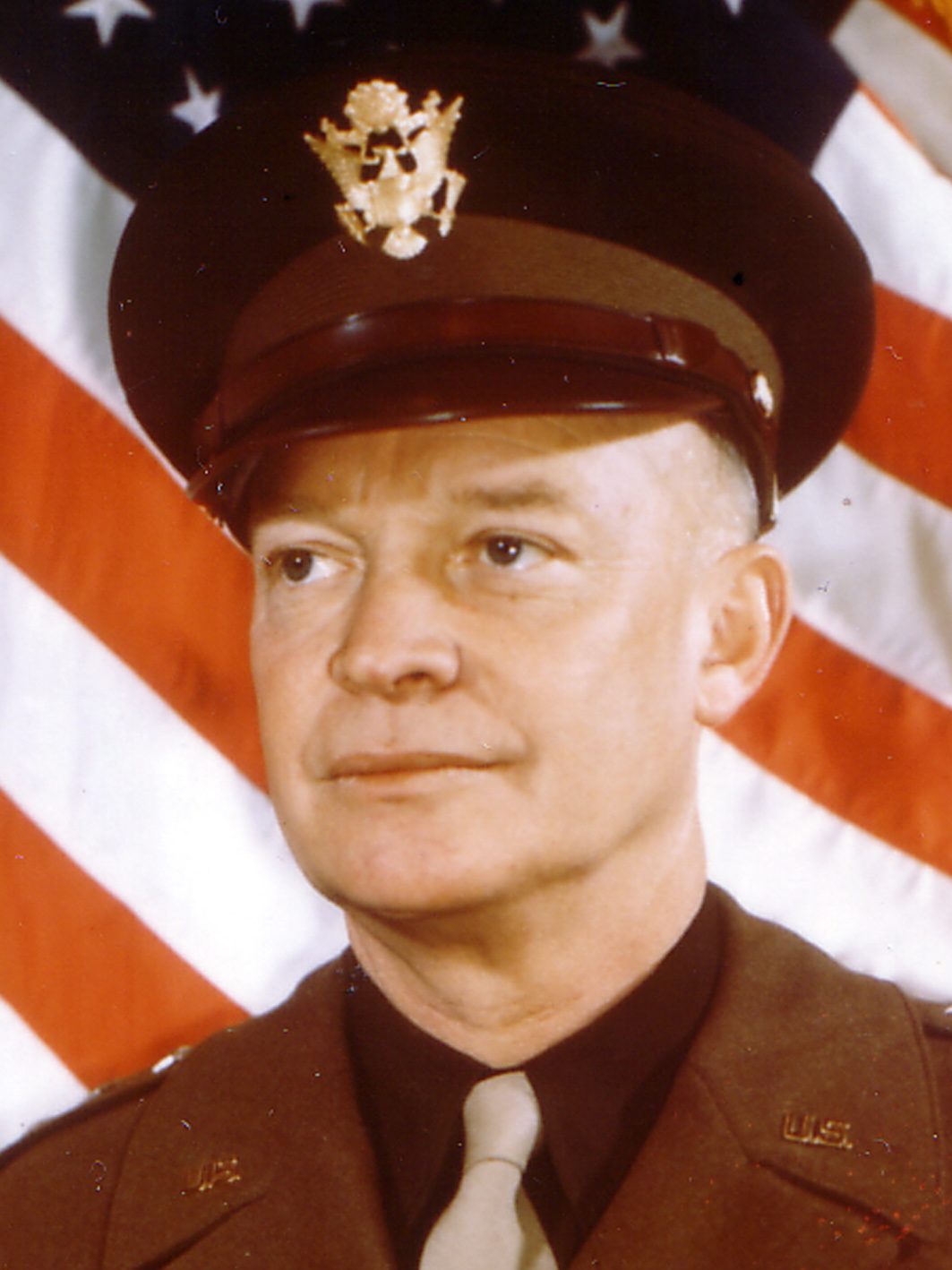
The most quoted estimate belongs to Sir Harry Hinsley, a Bletchley veteran who became the official historian of British intelligence in the Second World War. His considered judgement was that the Allies would have won the war without Ultra — but that it would have lasted “something like two years longer, perhaps three years longer, possibly four years longer than it was.” Two to four years, measured in lives and devastation, is an almost unimaginable saving. From the other side of the Atlantic, Eisenhower himself, at war’s end, described Ultra as having been “decisive” to the Allied victory.
Yet historians since have been right to caution against the magic-wand picture. Ultra did not fire a single shell. It told commanders where the enemy was, what he intended, how short he was of fuel — but the convoy still had to be found and sunk, the minefield still crossed, the beachhead still held against counterattack. Intelligence that is not acted upon, or is acted upon clumsily, wins nothing; and intelligence exploited too greedily destroys itself by betraying its source. The genius of the Ultra system lay precisely in the marriage of the codebreakers’ mathematics to the disciplined cunning of the SLUs and the cover-story rule — the willingness to not act, to send a plane to be seen first, to let a target survive rather than risk the secret. Ultra informed the fighting at every level; it did not replace it. That is the honest measure of the secret, and the reason it deserves to be remembered as one of the great intelligence achievements of the war rather than as a conjuring trick that made the fighting unnecessary.
Next — Volume 13: Legacy & Lessons for Modern Cryptography.
Comments (0)